
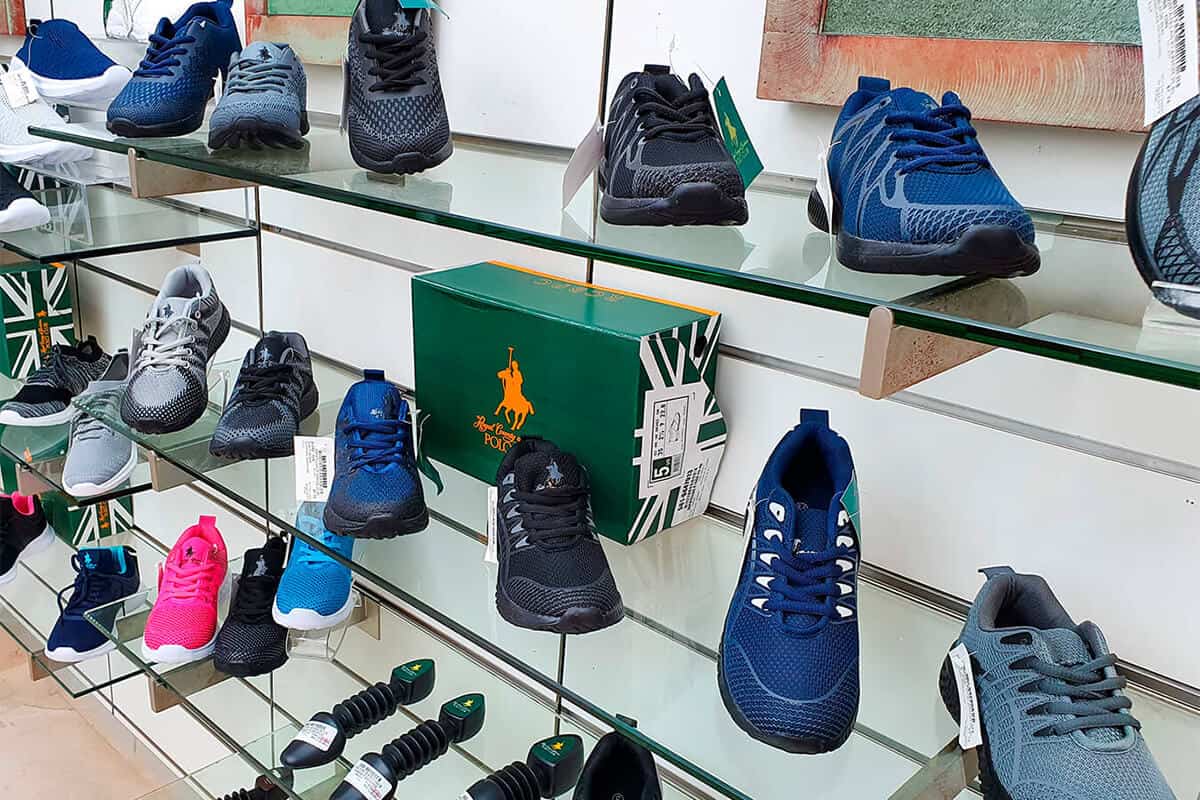
The boom of the footwear industry in Latin America has presented a golden opportunity for entrepreneurs seeking to enter the footwear import and sales market. One region that has drawn particular attention is the Colon Free Zone in Panama, known for its duty-free footwear, wide product variety, and 7-day dispatch to any country in the region. However, starting a business in this sector requires more than just initial capital; it takes a deep understanding of the market, a solid strategy, and an uncompromising focus on customer satisfaction.
Key Strategies for Inventory Diversification in the Footwear Business
Inventory diversification is a cornerstone in the successful management of any footwear business, especially when it comes to importing. One of the main reasons to diversify is risk mitigation. By carrying a variety of footwear across different categories, retailers can shield themselves against inevitable market fluctuations. If a specific footwear category does not perform as expected, robust sales in another category can offset the shortfalls. This not only stabilizes revenue and profits but also provides a financial safety net.
Beyond financial security, a diversified inventory is essential for customer satisfaction. Consumers come with varied preferences and needs, and by offering a broader range of footwear, retailers can cater to a wider demographic spectrum. This inclusiveness not only enhances the customer experience but also builds brand loyalty and repeat business—crucial elements for business longevity and success.
Furthermore, diversification offers a significant competitive edge. In a crowded marketplace, offering a unique and varied footwear selection can be precisely what sets your business apart from the rest. Customers, particularly those seeking specific styles or designs, will be attracted by the variety and may come to view your store as their preferred destination for their footwear needs.
Selecting Shoe Sizes for Resale Based on Top Sellers
When it comes to size selection, focusing on bestsellers is a strong starting point. For women, the sizes most in demand are typically 37–39 (EU), while for men, sizes 41–43 (EU) tend to be the most requested. Ensuring these sizes are always in stock is crucial to maintaining a robust inventory. However, smaller and larger sizes should not be overlooked. While they may move in lower volumes, they represent a significant market segment, and offering these sizes can place your business in a favorable position among shoppers who struggle to find their fit elsewhere.
What Shoe Colors and Styles Should You Import?
In terms of colors and styles, retailers must stay attuned to market leaders. Neutral tones such as black, white, and brown maintain enduring popularity due to their ability to complement a variety of styles and preferences. Nonetheless, incorporating trendy or seasonal colors can attract a demographic that values current fashion trends. Regarding models, athletic and casual footwear tend to be clear favorites due to their comfort and versatility. However, it is essential to consider seasonality and regional preferences, as demand for dress shoes and sandals can fluctuate significantly throughout the year.
You can import Shoes to stock your business from


































Venezuela
Shoe Stores in Colon Free Zone

The key to effective inventory diversification lies in several core strategies. First, analyzing historical sales data provides invaluable foresight into upcoming trends, allowing retailers to plan their stock proactively. Second, paying attention to customer feedback is vital. Shoppers are often eager to share their opinions and style preferences, and these direct insights can guide which lines to restock. Third, maintaining flexibility with suppliers ensures you keep inventory fresh and relevant, adapting quickly to emerging trends. Finally, adopting a just-in-time inventory model can lower overhead expenses by minimizing excess stock and curbing storage fees, all while keeping your product catalog current and closely aligned with consumer demand.
Quality Control in Footwear Purchasing
As a retailer, you face the ongoing challenge of ensuring that every pair of shoes sold in your store meets the highest standards. When sourcing footwear abroad, the Panamanian hub offers an extensive range of original products from globally recognized brands. However, even in a market where authenticity is standard, rigorous quality control remains an essential step throughout the import process.
First, it is important to understand that authenticity and quality are two sides of the same coin. A product can be authentic yet still have manufacturing defects or damage sustained during shipping or warehousing. Therefore, even when working with vetted, reliable suppliers in the Colon Free Zone, each imported footwear lot must undergo thorough inspection.
Begin with a visual assessment. This includes inspecting color consistency, logo print or embroidery quality, overall shoe symmetry, and the absence of obvious flaws such as tears, visible adhesive, or defective stitching. Subtle discrepancies in shade, finish quality, and raw materials can signal lower-grade merchandise or, at worst, counterfeit items.
Shoe materials must feel durable and fit for purpose. For example, athletic sneakers should offer distinct flexibility and lightness, whereas dress shoes may be firmer while remaining comfortable. Leather should feel soft and supple—never brittle or excessively thin—and outsoles must be securely bonded without peeling or detached sections.
When evaluating private labels or brands exclusive to the Colon Free Zone, durability is an equally critical consideration, ensuring that products deliver high standards of quality even without a global household brand name. Resilient materials directly correlate with shoe lifespan, a decisive factor for end consumers. To guarantee this standard, retailers should be prepared to conduct product evaluations, such as wear-and-tear testing, to verify material resistance and structural construction.